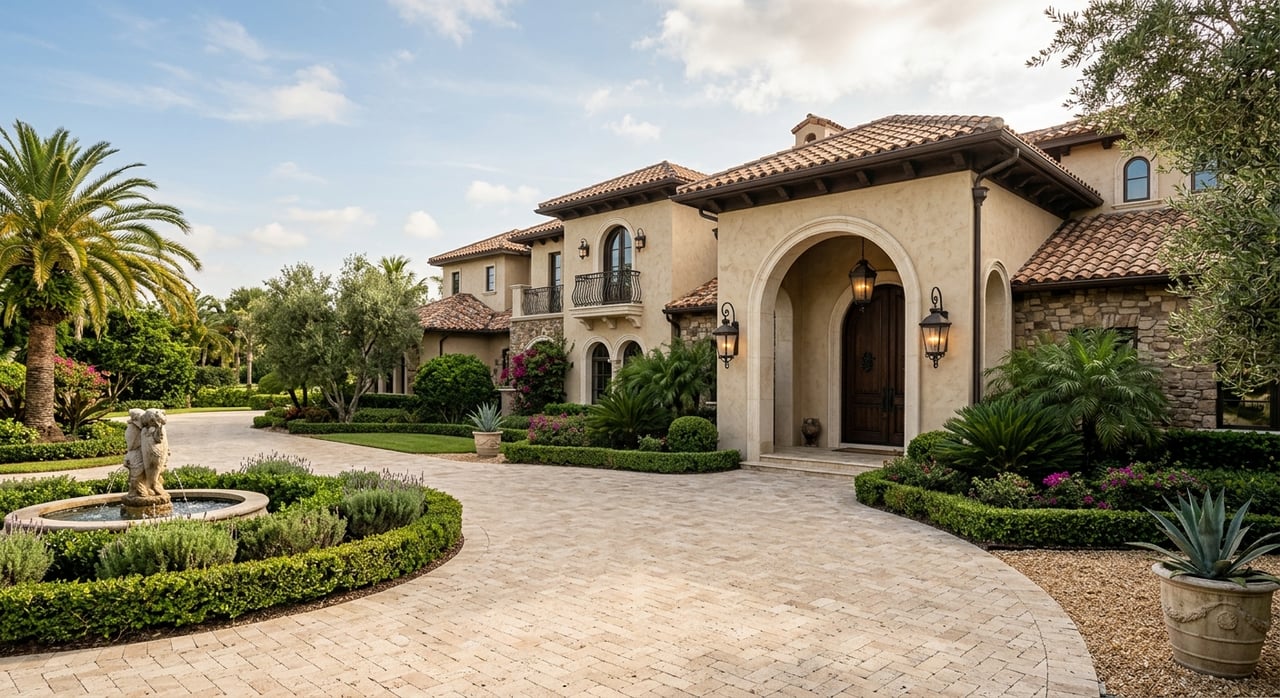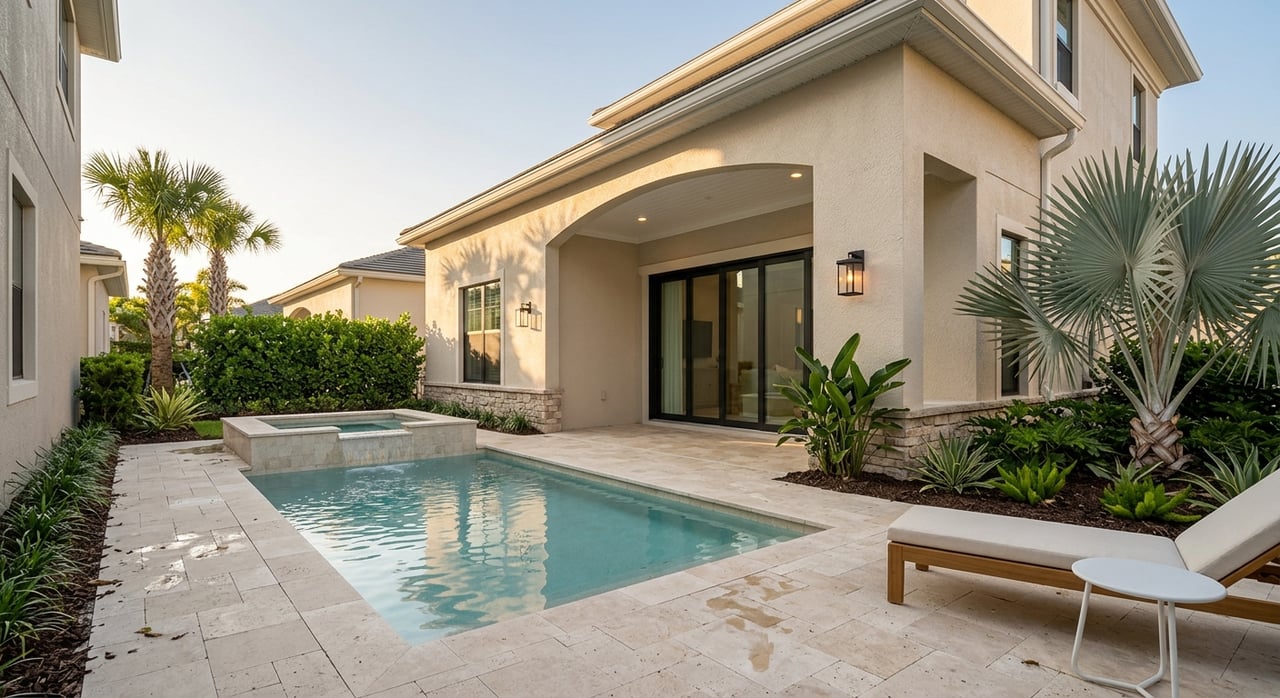
If you are shopping for an Orlando short-term rental, the biggest surprise is often not demand. It is the map. With 75.3 million visitors in 2024 and year-round travel tied to theme parks, conventions, dining, and entertainment, Orlando still draws strong attention from investors. But where buyers are looking now has a lot to do with where short-term rentals are actually allowed, so let’s break down the corridors, property types, and due diligence points that matter most.
Why Orlando Still Draws STR Buyers
Orlando welcomed 75.3 million visitors in 2024, including 68.8 million domestic visitors and 6.5 million international visitors. Visit Orlando says the destination remained the most visited in the U.S., which helps explain why the market stays on the radar for both domestic and international investors.
There is also more than one demand driver here. In addition to the theme park draw, the Orange County Convention Center district adds steady event-related traffic in a major tourism corridor surrounded by attractions, shopping, dining, and entertainment.
Why Location Rules Matter So Much
In Orlando, short-term rental demand is only part of the story. Local rules shape where investors can realistically buy, advertise, and operate, which is why buyer interest tends to cluster in a narrow set of resort-style communities and tourism corridors.
City of Orlando rules
The City of Orlando defines short-term rentals as stays of less than 30 days. Its home-share program is limited to owner- or tenant-occupied properties, allows one booking at a time, limits use to no more than half the dwelling, and may require an HOA approval letter where applicable.
That means whole-home short-term rentals are generally not allowed under the city’s home-share rules. The city also requires registration, proof tied to online ads, and annual fees that start at $275 in the first year and then renew at $100 or $125 depending on owner occupancy.
The city further states that only about 4 percent of the county is zoned for short-term rentals. For investors, that helps explain why standard residential neighborhoods inside Orlando are usually not the first place to look.
Unincorporated Orange County rules
In unincorporated Orange County, a short-term rental is defined as 179 days or less. The county says this use is permitted only in certain commercial and industrial zoning districts, or in planned developments that expressly allow it.
Single-family transient rentals under 30 days are only permitted in the R-3 district. Code compliance also says short-term vacation rentals are not allowed in most residential areas, and repeat violations can reach $5,000 per day.
Taxes need to be in your math
Orange County states that its tourist development tax is 6 percent on hotel stays and other short-term rentals under six months. Florida also allows transient rental taxes on accommodations for six months or less.
For you as a buyer, that means tax collection and remittance should be part of your underwriting from the start. A property that looks strong on gross income can feel very different once you factor in local operating requirements.
Where Investors Are Looking Now
Because the legal map is tight, today’s buyer activity tends to center on resort-style communities and tourism-driven corridors rather than plain residential inventory. These are the areas getting the most attention right now.
Southwest Orange and Disney-adjacent resorts
This is one of the clearest investor corridors in the broader Orlando market. Buyers are drawn to communities built around visitor demand, larger group travel, and amenity packages that support vacation stays.
Reunion Resort
Reunion Resort offers a wide spread of inventory, from 1- to 3-bedroom villas to vacation homes with 3 to 14 bedrooms. The resort also includes golf, a water park, and seven pools, and its official management arm says it is the only on-site management company at the resort.
For investors, that range matters. Smaller villas can appeal to couples and smaller travel groups, while larger homes fit reunions, multi-generational trips, and group stays that want space plus amenities.
Encore Resort at Reunion
Encore Resort at Reunion markets 4- to 13-bedroom vacation homes. It also highlights private pools, a water park, 24-hour on-site service, and complimentary transportation to Disney, Universal, SeaWorld, and the clubhouse.
This kind of setup speaks directly to buyers who want a purpose-built vacation product. The larger floor plans and on-site services often stand out for investors comparing homes that need to compete in a crowded booking environment.
Windsor at Westside
Windsor at Westside is an 803-home resort community with 4- to 9-bedroom townhomes and single-family pool homes. Amenities include a lazy river, waterslide, and clubhouse.
This community often fits buyers who want a resort experience with a broad mix of multi-bedroom options. It also reflects a pattern seen across top investor-targeted communities in the area: amenities are not a bonus, they are part of the product.
Windsor Hills Resort
Windsor Hills Resort includes 2- and 3-bedroom condos, 3-bedroom townhomes with splash pools, and 4- to 6-bedroom detached houses with private pools. The community notes that rentals are individually owned and managed.
That management structure is important. If you are comparing communities, you will want to understand early whether the model is on-site, brand-supported, individually managed, or a mix.
Magic Village
Magic Village in Kissimmee offers concierge-style villas, with 3- and 4-bedroom options at Magic Village Yards and Magic Village Views. The property also advertises hotel services and a location one mile from Disney’s Animal Kingdom.
For some buyers, this creates a different value proposition than a detached pool home. It can appeal to those who prefer a hospitality-style product with service features built into the experience.
I-Drive and Convention Center corridor
The Convention Center District sits in the heart of Orlando’s tourism district. It is surrounded by hotels, dining, shopping, entertainment, and major attractions, with transportation links and proximity to the airport and OCCC event campus.
International Drive also positions itself as a destination for attractions, lodging, shopping, dining, and entertainment. Because of that visitor infrastructure, this corridor tends to attract attention for resort-style suites, condo-hotel products, and other hospitality-managed inventory rather than detached-home neighborhood plays.
If you are looking at this corridor, your comparison set may look very different from the Disney-adjacent resort communities. Here, buyers often focus more on location within the visitor core, walkability, and hospitality-style operations.
ChampionsGate and the south-central edge
ChampionsGate remains a frequent name in investor conversations. The Villas at ChampionsGate markets 59 luxury golf condominiums with two- and three-bedroom residences and says the community is five minutes from Walt Disney World and adjacent to the Omni Orlando Resort.
The Omni adds more destination appeal with a water park, lazy river, multiple pools, golf, and villas. This area often appears in investor comparisons alongside Disney-adjacent resort communities, especially for buyers who want amenity-rich inventory outside the City of Orlando’s most restrictive residential short-term rental framework.
What Buyers Should Underwrite First
A beautiful resort home is not automatically a strong investment. Before you get attached to photos or projected revenue, it helps to focus on the practical details that shape performance.
Match the property to the guest profile
The product mix in Orlando’s main investor corridors is closely tied to guest type. Official resort pages show that 1- to 3-bedroom villas and condos usually fit couples and smaller travel groups, while 3-bedroom townhomes offer more space and often include a private splash pool.
At the larger end, 4- to 13-bedroom homes are geared toward bigger family groups, reunions, and multi-generational stays. If you are choosing between a condo, townhome, or large house, start with who the likely guest is and what experience that guest expects.
Treat amenities as part of the revenue story
Across the strongest investor-targeted communities, the same amenities show up again and again. Private pools, clubhouses, water parks, game rooms, shuttles, concierge services, and on-site support are common features.
That repeat pattern matters. In Orlando’s resort corridors, buyers are often not just purchasing square footage. They are buying into an amenity package that helps the property compete for bookings.
Verify management and operating rules
Management is not one-size-fits-all. Reunion advertises on-site management, Encore advertises 24-hour on-site service and management, and Windsor Hills says rentals are individually owned and managed.
You should also confirm HOA rules, parking standards, booking limits, and whether an HOA approval letter or other registration documents are required. Those details affect not just compliance, but also guest experience and day-to-day ownership.
Confirm zoning and registration early
Due diligence should start before you write an offer, not after. The City of Orlando requires proof of home-sharing registration in online ads, and Orange County says zoning review is part of the business tax receipt process in unincorporated areas.
That means one of your first questions should be simple: is this exact property, in this exact location, approved for the use you want? In Orlando-area short-term rentals, that question can save you time, money, and a major headache.
What This Means for Today’s Investor
The current Orlando pattern is clear. Investors are concentrating on resort communities south and west of Disney, plus the I-Drive and Convention Center corridor, because those areas combine visitor demand, strong amenity packages, and more workable use patterns than typical residential neighborhoods.
If you are considering an Orlando short-term rental, the best opportunities are usually not found by searching the whole map. They are found by narrowing quickly to the communities and corridors where the product, the rules, and the guest demand actually line up.
A local, detail-focused approach matters here. If you want help comparing resort communities, reviewing property types, or identifying investor-friendly options in the Orlando area, connect with Florida's Elite Team.
FAQs
Where are Orlando short-term rental investors looking right now?
- Most investor attention is centered on Disney-adjacent resort communities, including Reunion, Encore, Windsor communities, Magic Village, and the I-Drive and Convention Center corridor.
Can you rent a whole home as a short-term rental in Orlando?
- In the City of Orlando, whole-home rentals are generally not allowed under the home-share rules. In most Orange County residential areas, short-term vacation rentals are also not allowed.
What Orlando-area property types are common for STR buyers?
- Common options include 1- to 3-bedroom villas and condos, 3-bedroom townhomes with splash pools, and larger 4- to 13-bedroom vacation homes in resort communities.
What taxes should Orlando STR buyers plan for?
- At minimum, buyers should account for Orange County’s 6 percent tourist development tax on short-term rentals under six months, along with Florida’s transient-rental tax framework.
What should you confirm before buying an Orlando STR property?
- You should confirm zoning, registration requirements, HOA rules, management structure, parking standards, booking limits, and whether the specific property is approved for short-term rental use.