Trying to compare Palm Beach condos by amenities can feel like apples and oranges. One tower has a private beach and valet, another offers a marina and coworking spaces, and the HOA fees tell only part of the story. If you are weighing lifestyle perks against carrying costs and resale, you are not alone. In this guide, you will learn which amenities buyers love in Palm Beach and nearby coastal markets, how they affect HOA fees and insurance, and how to prioritize what matters to you. Let’s dive in.
What Palm Beach buyers value
Palm Beach and the broader West Palm Beach–Boca Raton–Delray Beach coast attract three common buyer types: luxury primary residents, seasonal second‑home owners, and investors. Each group values a different mix of service, privacy, and rental flexibility. Your priorities will shape which buildings rise to the top.
Local factors also drive amenity demand and cost. Coastal exposure, flood zones, and hurricane risk influence insurance and the value of storm‑hardening features like impact glass and backup generators. Building age and post‑2021 safety standards have raised attention on inspections, reserves, and potential special assessments. On the island, private beach access and proximity to shopping and dining typically command a premium, while mainland and Intracoastal locations often trade beachfront for marina access and easier travel.
High-impact amenities
Concierge and front desk
A staffed lobby with 24/7 concierge, doorman service, and secure package rooms is a hallmark of luxury living. It improves security and day‑to‑day ease, which matters to full‑time and seasonal owners. Staffing is also one of the biggest operating costs for HOAs, so expect a noticeable fee impact in full‑service buildings.
Valet, parking, and storage
On Palm Beach island, parking is scarce. Valet and deeded or covered parking can meaningfully boost convenience and resale. Storage lockers and bike rooms add practical value, and EV charging is increasingly requested. Deeded spaces typically carry stronger resale appeal than assignable spots.
Private beach access and services
Direct or deeded beach access with attendants, cabanas, and towel service is a premium lifestyle feature. It often supports higher price per square foot on the island. Always confirm whether access is deeded to the unit, HOA‑managed, or tied to a separate club with additional fees.
Waterfront marinas and boat slips
For boaters, on‑site slips and managed marinas are a major differentiator. Availability and waitlists can be decisive. Marinas add complexity for insurance and maintenance, which can raise HOA dues and require special fees.
Pools, spas, and outdoor spaces
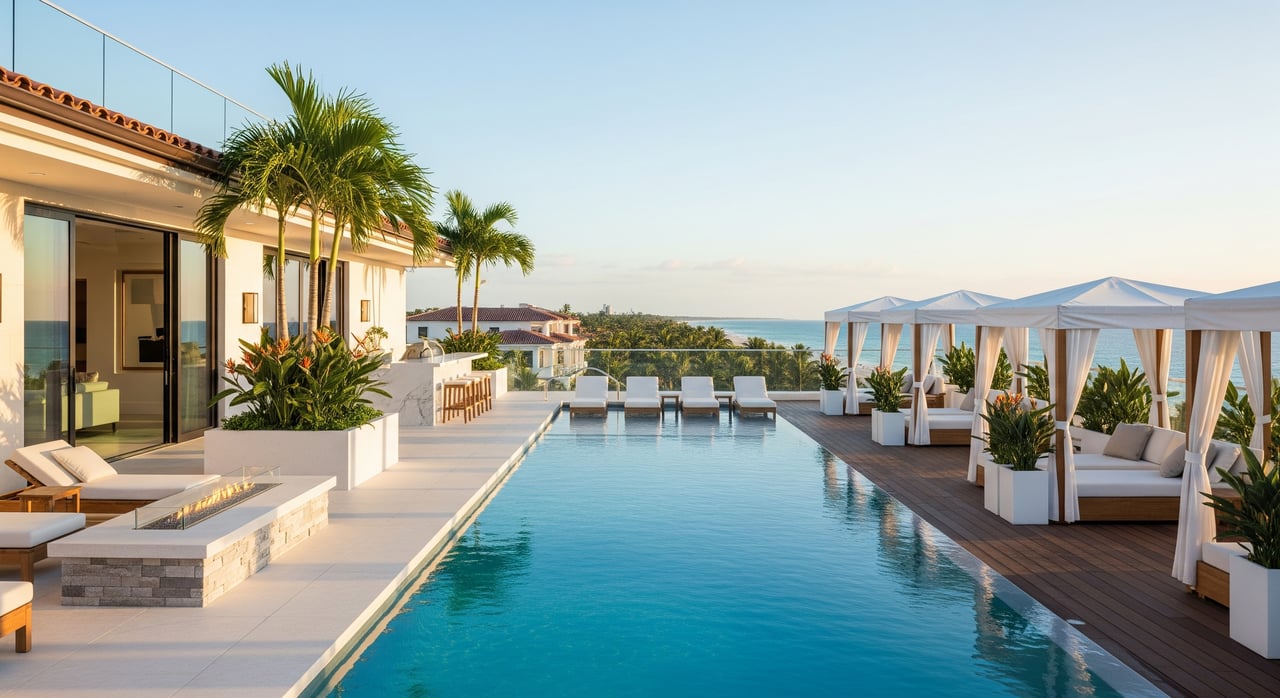
Resort‑style pools, hot tubs, cabanas, and rooftop terraces drive both lifestyle and rental appeal. Heated pools and year‑round care increase utility and maintenance budgets. Well‑maintained outdoor spaces signal strong building management.
Fitness and wellness facilities
On‑site gyms, studios, saunas, and spa rooms are high priorities for luxury buyers who want wellness at home. Full spa programs with staff are most common in ultra‑luxury towers. Plan for equipment replacement cycles and potential staffing costs.
Food, beverage, and social spaces
On‑site restaurants, lounges, or club rooms elevate the experience and simplify hosting. These spaces can be revenue‑producing if leased to third parties, but they can also complicate insurance and require careful review of lease terms and responsibilities.
Business and private workspaces
Business centers, meeting rooms, and coworking lounges are increasingly expected, especially by remote workers and seasonal residents. Strong internet infrastructure is essential. These spaces compete with lobbies for square footage and must be budgeted for upkeep.
Security and building technology
Staffed security, CCTV, controlled access, and resident apps build confidence and convenience. Smart building systems may reduce personnel needs while improving service. Buyers often value secure access and consistent on‑site management.
Building resiliency features
Backup generators, elevated mechanical systems, impact‑rated glazing, shutters, and robust drainage reduce downtime after storms. These features can support insurability and offer peace of mind. Older buildings may require costly upgrades, which can lead to assessments.
Support services and housekeeping
On‑site management, maintenance staff, and partnerships for housekeeping or turnovers are essential for second‑home owners and investors. Strong staffing translates into smoother ownership, but it also raises operating costs.
Pet, family, and lifestyle amenities
Pet spas, dog runs, and children’s rooms round out the lifestyle for long‑term residents. Space is limited in dense coastal towers, so these are valuable when available. Always verify building rules for pets and guests.
Guest parking and suites
Guest spaces and on‑site suites make it easier to host. On the island, guest parking is a quiet differentiator that can influence resale. Valet support for visitors improves the overall experience.
How amenities affect HOA fees and resale
Staffed services like concierge, valet, and security are typically the largest recurring line items in full‑service buildings. Pools, gyms, restaurants, and marinas add utility, maintenance, and capital replacement needs. Amenities that carry separate insurance requirements can increase the HOA’s liability coverage and premiums.
Reserve funding is critical. Amenity‑rich buildings have more systems to maintain, from pool equipment and HVAC for gyms to elevators and generators. Insufficient reserves increase the likelihood of special assessments, especially in older coastal buildings where concrete restoration or façade work may be needed.
Insurance and disaster exposure also matter. Docks, ground‑level amenities, and low‑lying mechanical systems can increase flood and wind exposure. Resiliency features like generators and elevated infrastructure can reduce loss and improve insurability.
For resale, high‑quality, well‑maintained amenities in desirable locations usually lift demand and support higher values. The flip side is excess HOA fees for amenities that owners rarely use or poor management that undercuts service. Rental rules also shape demand. Flexible leasing can boost investor interest but may not align with owner‑occupant preferences.
Island vs. mainland tradeoffs
On Palm Beach island, private beachfront and service define the premium. Expect stronger demand for concierge, valet, and deeded or controlled beach access, along with secure entry and wellness spaces. Parking scarcity amplifies the value of deeded or covered spaces.
Across West Palm Beach, Boca Raton, and Delray Beach, many buildings emphasize marina access, easier driving, and airport proximity. You may find larger floor plans at a given price point and a broader range of rental policies. These towers can deliver resort‑level pools and fitness centers while balancing fees by optimizing staffing.
Your lifestyle and ownership plan should guide the choice. If beachfront mornings and full‑service living top your list, focus on the island. If boating, mobility, and lower land costs matter more, widen your search to mainland and Intracoastal options.
Features matrix: cost and resale impact
| Amenity | Why it matters | HOA cost impact | Resale impact | Key caveat |
|---|---|---|---|---|
| Concierge / 24/7 staff | Convenience, security, guest support | High | High for luxury; Medium for seasonal | Staffing level drives cost and service quality |
| Valet / Covered parking | On‑island convenience; scarce parking | Medium to High | High on Palm Beach | Deeded spaces usually outperform assigned |
| Private beach access | Direct beachfront lifestyle | High | High on island | Confirm deeded rights vs HOA or club |
| Fitness / wellness / spa | Health, daily routine, rental appeal | Medium | Medium to High | Equipment and staffing affect reserves |
| Pool(s) and cabanas | Resort feel, rental draw | Medium | Medium | Heated pools raise utilities and insurance needs |
| Marina / boat slips | Essential for boat owners | High | High for boating buyers | Check waitlists, permits, and fees |
| On‑site restaurant / retail | Convenience, social value | Variable | Variable | Review lease terms and liability |
| Backup generator / resiliency | Post‑storm function, insurability | High | Medium to High | Lack of resiliency can reduce appeal |
| Short‑term rental allowance | Income potential | Low direct; wear‑and‑tear risk | High for investors; mixed for owners | Confirm caps, terms, and approvals |
| EV charging | Owner convenience, future‑proofing | Low to Medium | Rising importance | Building electrical capacity can limit rollout |
| Pet amenities | Value for pet owners | Low to Medium | Medium | Verify pet rules in condo docs |
| Storage / bike rooms | Practical daily use | Low | Medium | Deeded storage adds value |
Prioritize your wish list
Not every building excels at everything. Use these quick profiles to narrow your must‑haves:
Luxury primary resident
- Concierge and staffed security
- Private beach access
- Valet and deeded or covered parking
- Wellness and spa facilities
- Backup generator and hurricane protection
- Marina access if you are a boater
Second‑home seasonal buyer
- Strong on‑site management and low‑maintenance living
- Valet and easy guest parking
- Concierge and service partners for turnovers
- Pool and social spaces
- Rental policy that supports occasional leasing if desired
Investor / short‑term rental operator
- Flexible rental rules and proven occupancy in the area
- Pool, gym, and walkability for guest appeal
- On‑site services that reduce turnover workload
- HOA fees that align with projected income
- Proximity to attractions and transport corridors
Smart due diligence checklist
Before you fall in love with an amenity package, confirm the true cost and risk profile. Ask for and review:
- Current operating budget and most recent audited financials.
- Reserve study and capital improvement schedule, with dates of last updates.
- Insurance certificates, including wind and flood coverage and HOA deductibles.
- Board meeting minutes for the past 12 to 24 months to spot planned projects or assessments.
- Rules and regulations for pets, leasing, and guests, including minimum lease terms.
- Litigation history involving the association.
- Recent engineering or structural inspection reports and records of major repairs.
- Parking and storage documentation, noting deeded vs assignable.
- Any third‑party leases or contracts for restaurants, marinas, staffing, pool service, and landscaping.
- Utility allocation details, such as water or sewer included vs separately metered.
When touring, observe:
- Staff presence, cleanliness, and condition of lobbies, pool decks, and fitness rooms.
- Beach access details, including signage and entry points if applicable.
- Elevator ride quality and reported outage history.
- Parking access and how spaces are controlled.
- Security measures and access control.
Ask the manager or HOA:
- How have HOA fees changed over the past five years, and why?
- Are special assessments or large capital projects planned in the next 3 to 5 years?
- Which amenities are fee‑based and how is cost recovery handled?
- What are the current rental rules and the percentage of units rented?
- Are there waitlists for parking, storage, or boat slips, and any transfer or membership fees?
Ready to compare buildings?
You deserve a clear picture of lifestyle and long‑term value. Whether you are focused on island beachfront or a mainland tower with a marina, we help you weigh amenities, fees, and resale potential so you can buy with confidence. Start your curated search and get local insight with Florida's Elite Team.
FAQs
What Palm Beach condo amenities add the most to HOA fees?
- Staffed services like concierge, valet, front desk, and security typically drive the largest recurring costs, followed by pools, gyms, restaurants, and marinas.
How should I verify private beach access for a condo?
- Confirm whether access is deeded to the unit, managed by the HOA, or tied to a separate club with its own fees, and review the condo documents for exact rights.
Do marinas and boat slips raise costs or resale value?
- Marinas often increase insurance and maintenance expenses but can significantly boost desirability and value for boating buyers, especially when slips are limited.
How do building age and new safety standards affect risk?
- Older buildings with complex amenities and insufficient reserves face higher assessment risk, and post‑2021 safety attention means inspections and reserves are scrutinized.
Are short‑term rentals allowed in Palm Beach area condos?
- Policies vary by building; some allow flexible leasing that attracts investors, while others restrict short‑term rentals to prioritize owner occupancy and privacy.