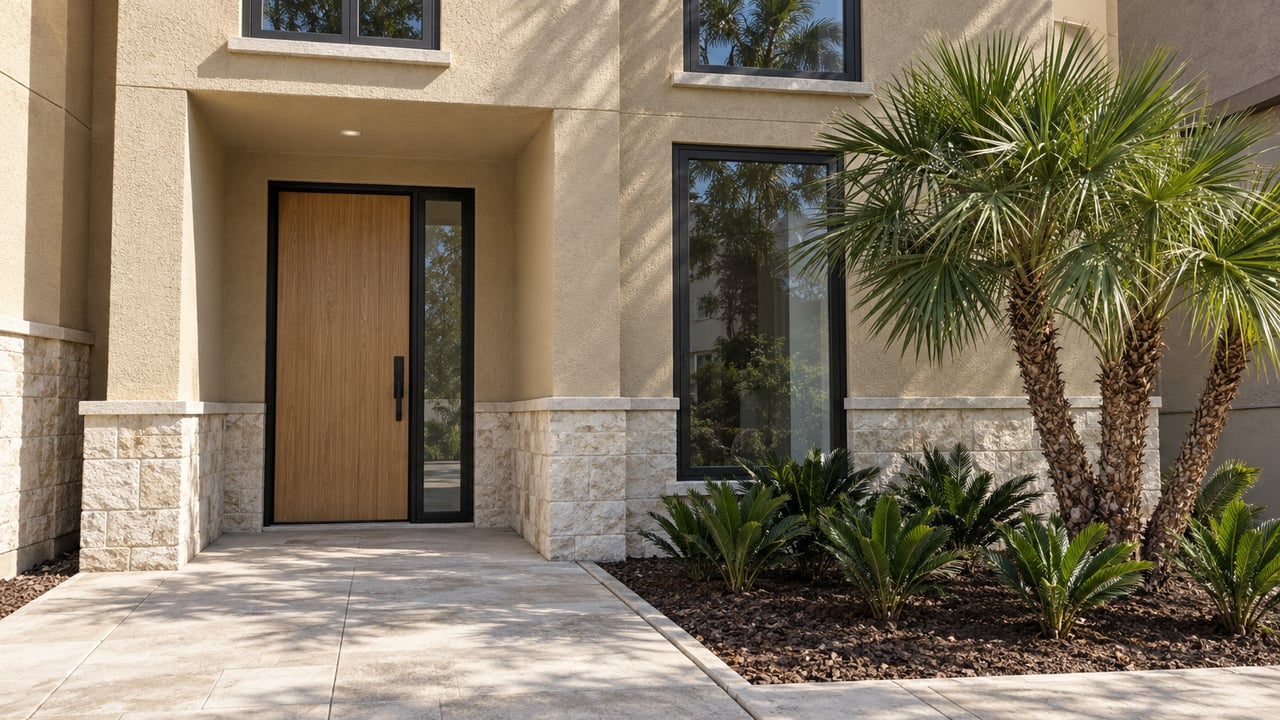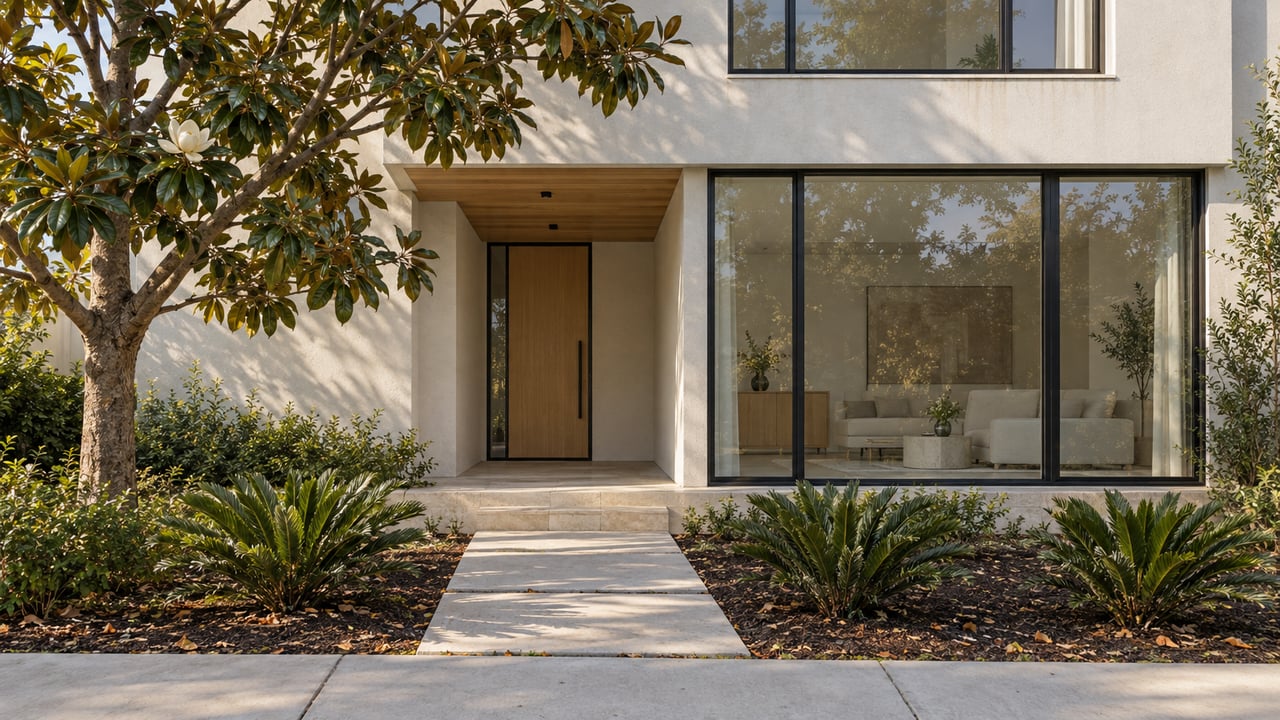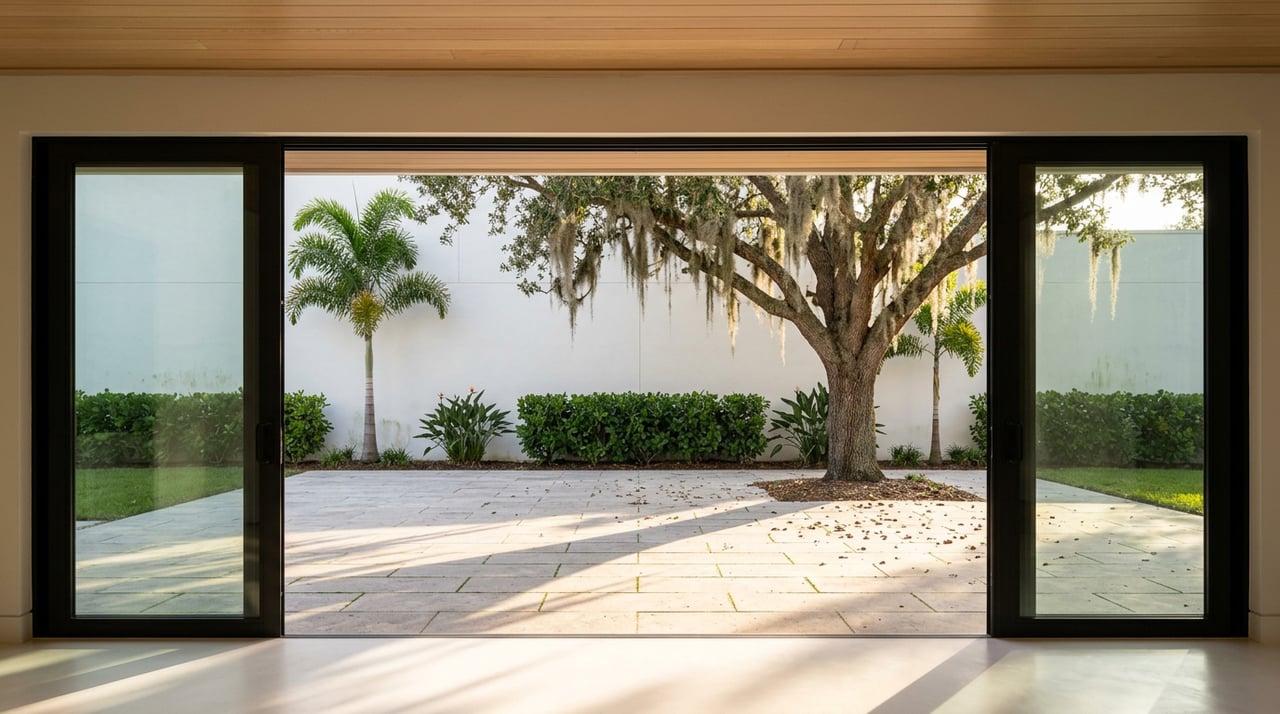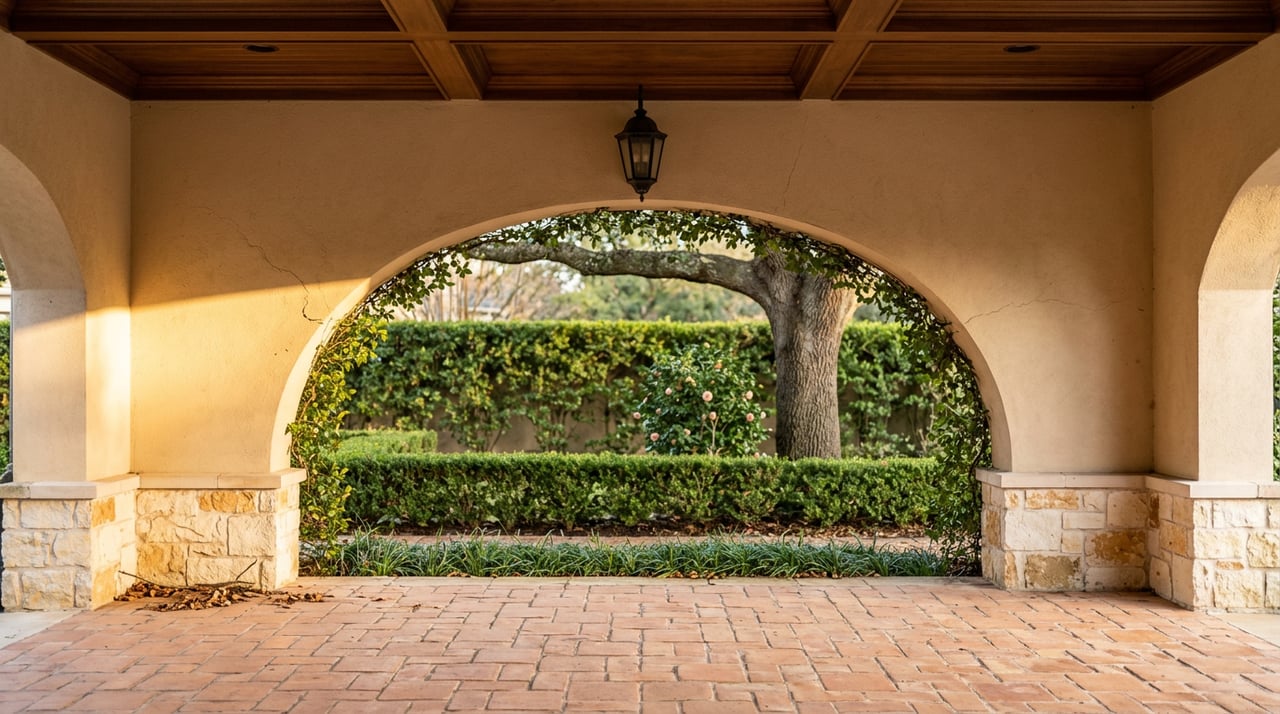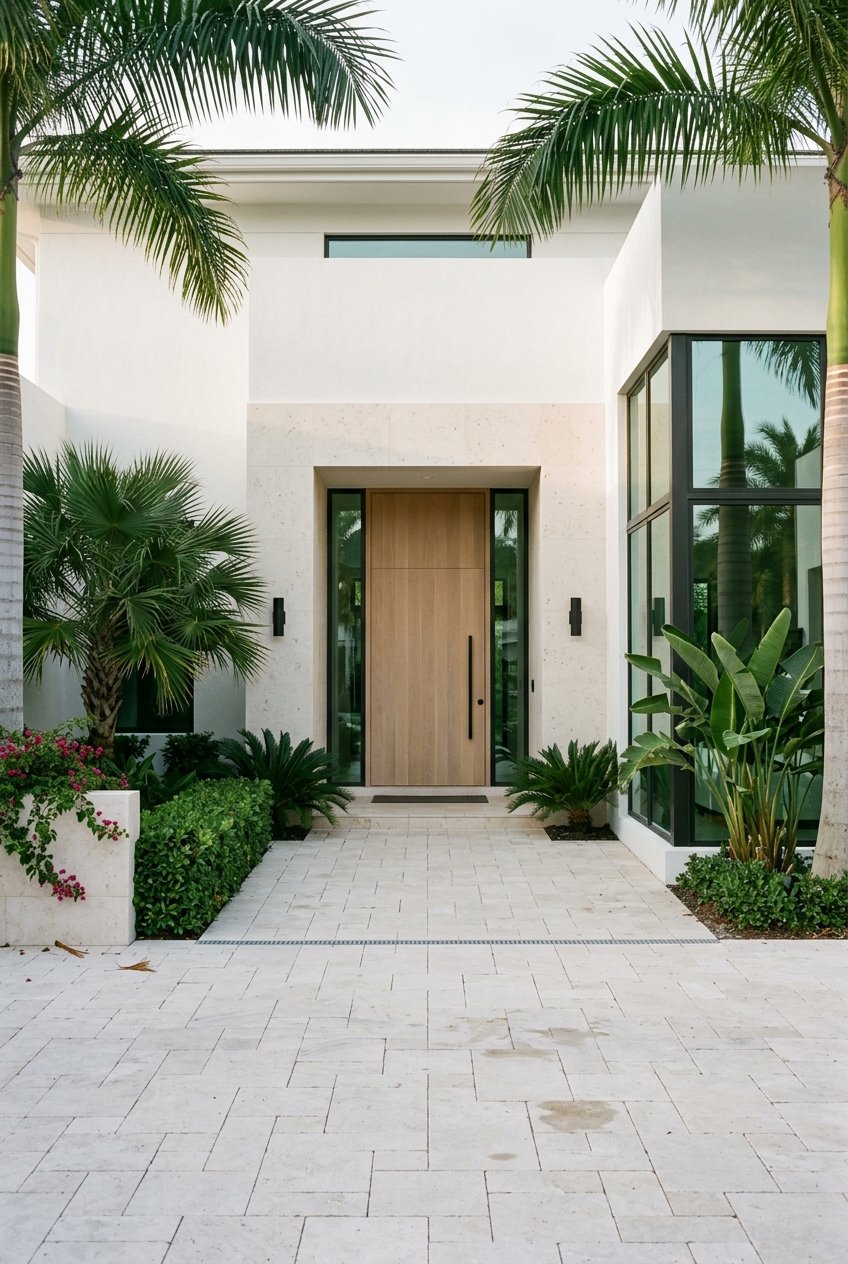
If you are thinking about buying a luxury single-family home in Palm Beach, you are not shopping in a typical South Florida market. This barrier island has limited land, strict zoning, and a long-established design framework that shape what you can buy, what you can change, and what you may pay for a prime setting. If you want to make a smart, confident purchase, it helps to understand how Palm Beach works before you start touring homes. Let’s dive in.
Why Palm Beach Stands Apart
Palm Beach is a 3.77-square-mile barrier island just east of West Palm Beach, with 12.1 miles of Atlantic coastline and 15.9 miles of Intracoastal frontage. That geography creates the foundation of the market. There is only so much land to work with, and much of the value comes from where a home sits on the island.
The town also has a strict zoning and preservation framework. That means luxury buying here is shaped not only by design and lifestyle, but also by what can be built, expanded, or preserved. In practical terms, Palm Beach single-family homes often trade on scarcity, setting, and long-term desirability rather than simple square footage alone.
What “Luxury” Means in Palm Beach
In many Florida markets, the word luxury can describe a broad range of homes. In Palm Beach, the numbers are much more specific. MIAMI REALTORS’ Q1 2026 data places Palm Beach city’s single-family luxury threshold at $34.9 million and its ultra-luxury threshold at $36.9 million.
That is dramatically different from nearby markets. In the same report, Boca Raton’s threshold was $5.7 million, Delray Beach’s was $5.6 million, and West Palm Beach’s was $4.2 million. If you are moving your search from another South Florida city to Palm Beach, this is one of the biggest mindset shifts to make early.
Pricing data also shows how far above the broader county market the island sits. Palm Beach County’s overall single-family median sale price was $645,000 in March 2026, while Palm Beach’s 33480 ZIP code reported a $9.99 million median single-family sale price in February 2026. Those figures are not directly comparable, but they help show just how specialized this market is.
How Budget Shapes Your Options
In Palm Beach, your budget often determines not just home size, but also lot type, level of privacy, and how much renovation work you may be taking on. Current data suggests that budgets under $5 million are generally below the island’s true single-family luxury tier. Buyers in that range may find options limited compared with nearby mainland markets.
A budget from about $5 million to $15 million is more likely to align with an older, smaller, or non-waterfront home. From roughly $15 million to $35 million, you may begin to overlap with stronger waterfront-adjacent or premium-lot opportunities. Above $35 million is where Palm Beach clearly moves into its own luxury bracket.
These are directional guides, not official pricing tiers. Still, they can help you set realistic expectations before you tour homes or compare Palm Beach with Boca Raton, Delray Beach, or West Palm Beach.
Location Premiums Matter Most
Oceanfront vs. Intracoastal
The biggest location premium in Palm Beach usually comes from water frontage. Oceanfront homes face the Atlantic, while Intracoastal or lakefront homes sit on the west side overlooking Lake Worth Lagoon. Both settings offer prestige, but they deliver different experiences in terms of views, orientation, and lifestyle.
If water access or water views are your top priority, your search should begin with frontage type rather than interior finishes. A beautifully updated home on an interior lot may still compete differently than a less-updated home with a more prized waterfront setting. On this island, location often leads the value conversation.
Interior Lots and Privacy
Not every luxury buyer wants direct water frontage. Some buyers prefer interior locations that offer privacy, mature landscaping, and easier maintenance expectations. Given the town’s fixed land supply, interior homes can still hold strong appeal when they offer architectural character, lot depth, or a desirable address.
A smart search is often about matching your priorities to the right setting. You may be choosing between direct ocean exposure, west-facing water views, or a quieter interior environment with room for private outdoor living.
Zoning Can Shape Your Decision
Palm Beach’s zoning rules are a major part of the buying process. Minimum lot sizes are 10,000 square feet in R-B and R-C districts, 20,000 square feet in R-A, and 60,000 square feet in R-AA. Single-family and two-family development is also limited to a maximum of two habitable stories.
For you as a buyer, this matters in two ways. First, it helps explain why buildable land is scarce and why lot characteristics carry so much weight. Second, it affects what you may realistically do after closing if you hope to expand, rework, or rebuild.
Before you fall in love with a house based on current photos alone, it is wise to think about the site itself. The lot size, zoning district, and existing structure may shape your future flexibility just as much as the finishes you see today.
Architecture Is Part of the Value
Palm Beach has a distinctive architectural identity, and buyers often pay for that character. The town’s own design guidance identifies Mediterranean Revival as the most popular type of architecture in Palm Beach, and local preservation materials note that Addison Mizner first popularized it here.
The local housing inventory also includes British Colonial, Georgian Revival, Frame Vernacular, Art Deco or Art Moderne, and Mid-Century Modern or Contemporary homes. This variety gives buyers different ways to define luxury, whether you are drawn to a historic estate feel or a more streamlined coastal look.
In Palm Beach, architecture is not just about style preference. It can influence maintenance needs, renovation pathways, and even approval timelines if you plan to make exterior changes.
Renovation Requires More Planning
If you are considering an older home, renovation potential should be reviewed carefully. Palm Beach’s standards are designed to create harmony, avoid disrupting surrounding character, and reflect established nearby design features. The town’s Historic Preservation Ordinance created the Landmarks Preservation Commission, and the town says more than 328 landmark properties, sites, and vistas are protected.
For landmarked properties, changes must be approved and kept in keeping with the building’s architectural style. That can affect exterior alterations, additions, and some rebuild decisions. In a lower-regulation market, you might move quickly from purchase to redesign, but in Palm Beach the process often takes more coordination.
That does not mean you should avoid older or historic homes. It simply means your due diligence should include the town’s review environment, not just contractor ideas or concept sketches.
Lifestyle Expectations in Palm Beach
Luxury in Palm Beach is closely tied to outdoor living and resort-style convenience. The town offers public beaches, a marina, public golf, and tennis facilities, along with a broad range of recreation services. Even if you are buying a private single-family residence, those surroundings help shape what many buyers expect from the lifestyle.
That often translates into strong interest in features like covered outdoor areas, pools, landscaped entertaining space, and seamless indoor-outdoor flow. When evaluating homes, it helps to think beyond the interior and ask how the property supports the daily experience you want on the island.
Coastal Resilience Should Be Part of Your Search
Because Palm Beach is a barrier island, coastal conditions are part of ownership. The town states that it is constantly affected by wind, waves, and moving sand, and it actively maintains dunes and beach renourishment projects. Palm Beach is also a FEMA/NFIP CRS Class 6 community.
For buyers, that means resilience is not a side topic. It should be part of how you assess location, lot exposure, and long-term ownership planning. A beautiful home in Palm Beach is also a coastal property, and your evaluation should reflect that reality from the start.
A Smarter Way to Approach Your Home Search
Palm Beach rewards buyers who start with clear priorities. Instead of searching only by bedroom count or interior style, it helps to rank what matters most to you first. Your best-fit property may be shaped more by frontage, zoning, architectural character, or renovation limitations than by cosmetic finishes.
As you narrow your options, focus on these questions:
- Do you want oceanfront, Intracoastal frontage, or interior privacy?
- Are you looking for a move-in-ready home or a property with renovation potential?
- How important is historic character compared with modern design?
- Does your budget align with Palm Beach’s true luxury pricing, not nearby mainland pricing?
- Are you comfortable with the review process for exterior changes or additions?
A thoughtful buying strategy can help you avoid false comparisons and focus on homes that truly fit your goals.
Why Local Guidance Matters
In a market as specialized as Palm Beach, the right guidance can save you time and sharpen your decisions. You are not just buying a home here. You are buying into a highly constrained coastal environment where geography, architecture, and town rules all influence value.
That is why a polished, data-driven approach matters. You need clear expectations, strong property analysis, and representation that understands how to evaluate luxury homes beyond surface-level presentation.
If you are planning your Palm Beach search and want boutique guidance backed by smart market insight, connect with Florida's Elite Team. Their approach combines luxury-minded service with practical support to help you navigate high-end Florida home buying with confidence.
FAQs
What price range counts as luxury for a single-family home in Palm Beach?
- MIAMI REALTORS’ Q1 2026 data places Palm Beach city’s single-family luxury threshold at $34.9 million, with ultra-luxury starting at $36.9 million.
How does Palm Beach compare with nearby South Florida luxury markets?
- Palm Beach is priced far above nearby cities in the same report, where Boca Raton’s luxury threshold was $5.7 million, Delray Beach’s was $5.6 million, and West Palm Beach’s was $4.2 million.
What lot types bring the biggest premium in Palm Beach?
- Water frontage usually commands the strongest premium, especially oceanfront and Intracoastal or lakefront properties.
What zoning rules should Palm Beach home buyers know?
- Palm Beach has strict single-family zoning, including minimum lot sizes of 10,000 square feet in R-B and R-C, 20,000 square feet in R-A, and 60,000 square feet in R-AA, plus a maximum of two habitable stories.
Are renovations harder for older Palm Beach homes?
- They can be, especially for landmarked properties, because exterior changes and some additions or rebuild decisions may require approvals and must remain in keeping with the home’s architectural style.
What architectural styles are common in Palm Beach single-family homes?
- Mediterranean Revival is the town’s signature style, and the housing inventory also includes British Colonial, Georgian Revival, Frame Vernacular, Art Deco or Art Moderne, and Mid-Century Modern or Contemporary homes.
Why should coastal resilience matter when buying in Palm Beach?
- Palm Beach is a barrier island affected by wind, waves, and moving sand, so buyers should factor coastal conditions and long-term resilience into their property evaluation.